- Energy use
- Permanent magnet VFD pump Motor speed tracks the duty point, so the drive avoids running at full power when demand is low.
- Conventional fixed-speed pump Runs at its design speed whenever it is on, so energy is spent below the duty point as well.
- Running noise
- Permanent magnet VFD pump Permanent magnet motor, ceramic bearings and hydraulic design keep running noise low in living spaces.
- Conventional fixed-speed pump Runs at one fixed speed whenever it is on, so noise stays at that level through the cycle.
- Pressure stability
- Permanent magnet VFD pump Closed-loop control trims speed, so outlet pressure holds steady as taps open and close.
- Conventional fixed-speed pump Pressure rises and falls with demand, and the pump cycles on and off around a pressure switch.
- Size and footprint
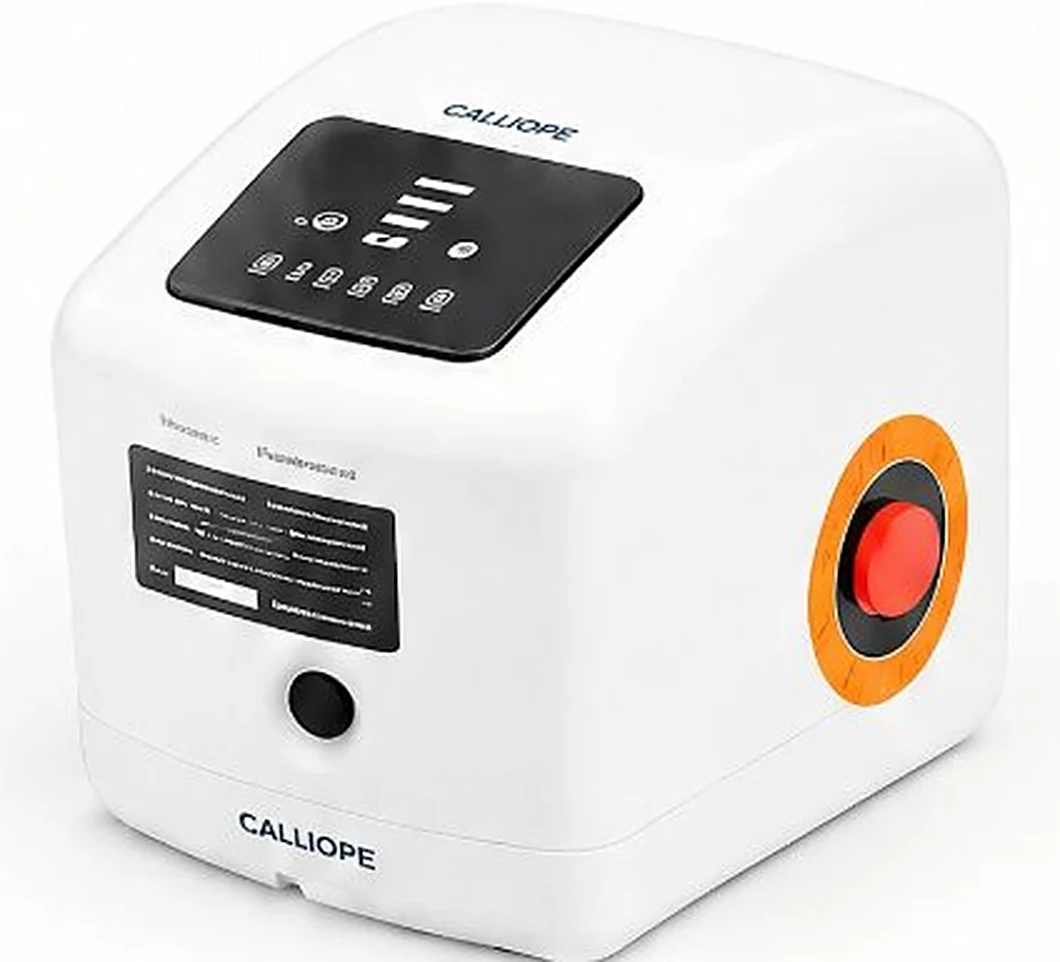
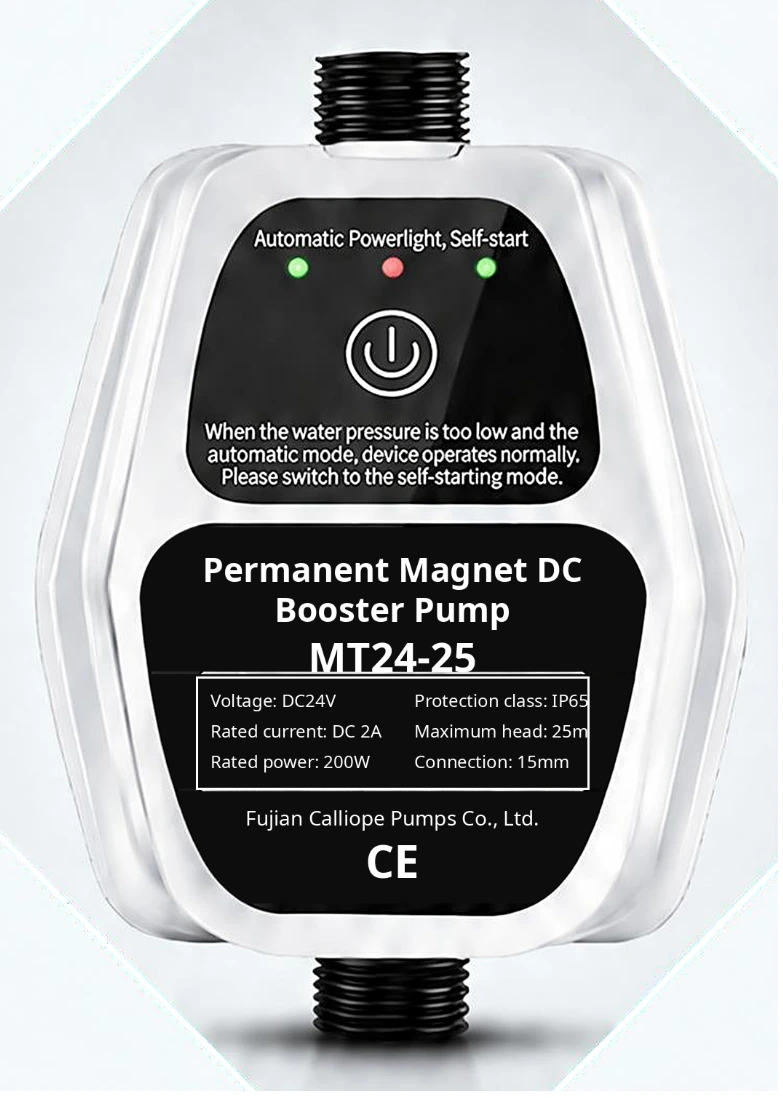
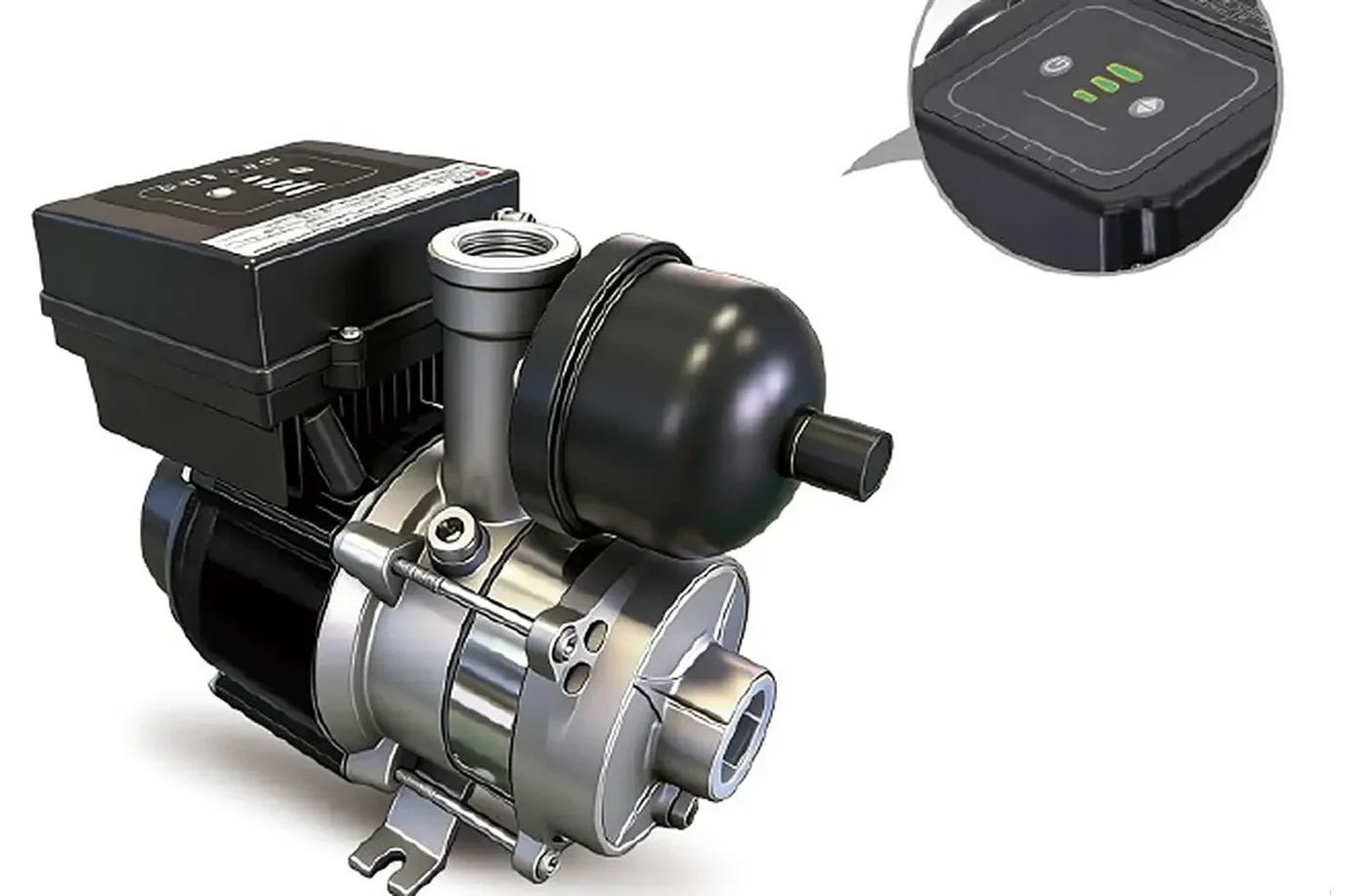
- Permanent magnet VFD pump Pump, motor and controller sit in one integrated housing that fits a compact utility space or outdoor cabinet.
- Conventional fixed-speed pump Separate pump, tank and switch box assemblies are needed, which take up more space.
- Service life
- Permanent magnet VFD pump Ceramic bearings, stainless steel impellers and speed control reduce wear on the motor.
- Conventional fixed-speed pump Standard bearings and constant full-speed load shorten service intervals.
Comparison describes typical behavior of permanent magnet VFD boosters against conventional fixed-speed pumps. Actual results depend on duty cycle, installation and control settings.